
Jiahao News
How to Choose Between SPC, WPC and Flexible LVT Flooring
Compare SPC, indoor WPC and flexible LVT by room conditions, comfort, installation method and verified performance rather than broad material promises.
Choose flooring by the intended use and the documented properties of an actual product. SPC and indoor WPC are rigid-core options, while flexible LVT offers a different construction. PVC describes a material used across many vinyl flooring products, not a separate performance grade.
Clarify the category first
An indoor WPC rigid core is expanded polymer; the term must not be confused with wood-plastic composite decking or board materials. SPC uses a solid polymer core. Flexible LVT is a useful comparison when evaluating resilient tile or plank products, although retailers may use LVT broadly for several constructions. Ask the supplier for a cross-section and technical description rather than relying on the abbreviation.
Compare the needs of the space
List the room’s traffic, likely spills, furniture loads and expected maintenance. Comfort, acoustic requirements and appearance also matter, but no category guarantees a safer fall or a quiet room. A commercial project requires evidence for commercial use; a children’s bedroom requires the same attention to documented emissions and surface performance as any other occupied interior.
Review installation before choosing
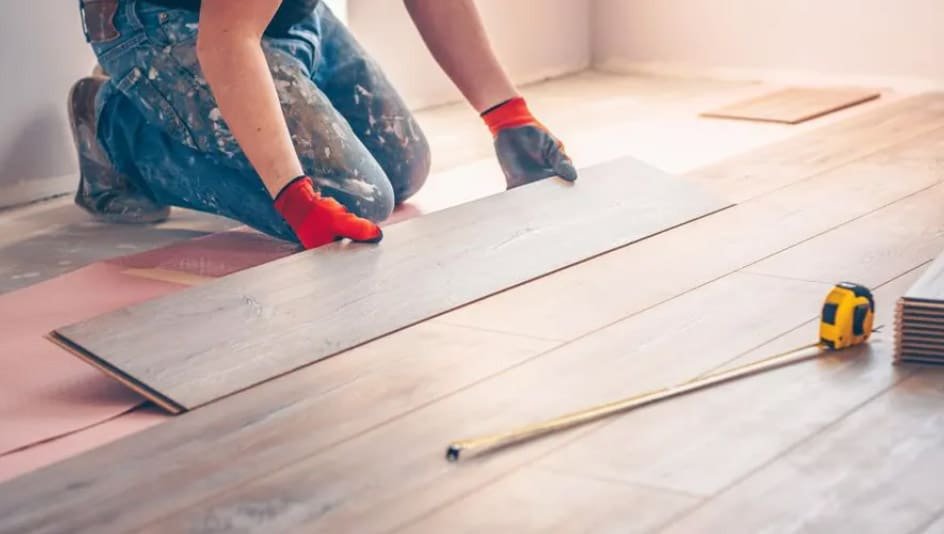
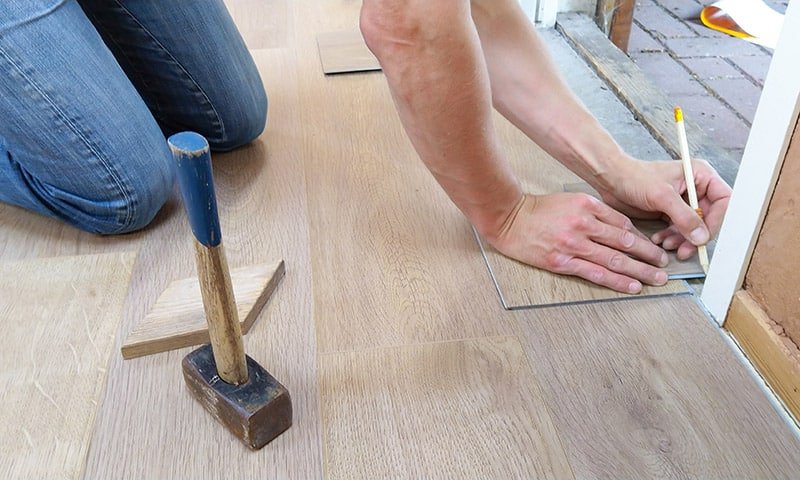
Identify whether the candidate is a floating click product, a bonded product or another approved system. Include subfloor preparation, doors, transitions and fixed cabinets in the discussion. Do not assume that rigid flooring can bridge an unsuitable substrate or that flexible flooring is always easier to install. The complete installed system determines whether the selected option suits the renovation.
Make a decision from comparable evidence
Ask suppliers to quote against the same project brief and provide warranties, maintenance instructions and relevant test reports. Review samples in the room and obtain written approval for underfloor heating, intense sunlight or wet-area use where applicable. Compare total project requirements rather than declaring one material universally cheaper or better. Keep rejected options and their reasons in the project record so the final selection remains clear.
Related reading: SPC vs Flexible LVT Flooring: The Main Differences; What Is LVT Flooring? Construction, Formats and Uses; SPC Flooring for Commercial Spaces: Benefits and Limits.
For the manufacturing perspective, explore Jiahao flooring production equipment. Equipment selection begins with the intended finished product; it cannot replace the flooring supplier’s installation instructions or performance documentation.