
Jiahao News
Routine LVT Production Line Maintenance and Shift Checks
Build a routine LVT line maintenance plan around safe observations, approved cleaning, service records and clear escalation before small changes disrupt production.
Routine LVT production line maintenance starts with consistent shift observations, approved housekeeping and clear reporting. Its purpose is to notice changes early and organize service before production quality deteriorates. It does not replace scheduled internal inspections or authorize operators to repair electrical, drive or cutting systems.
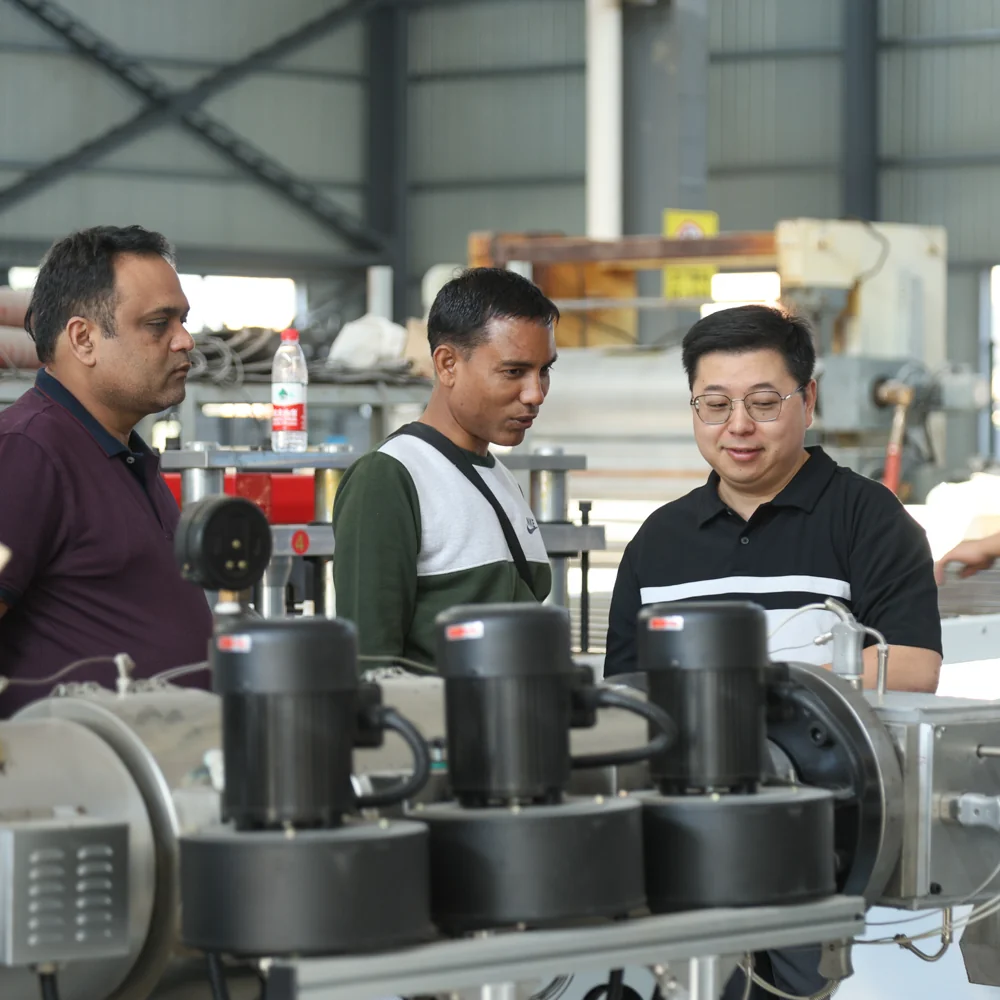
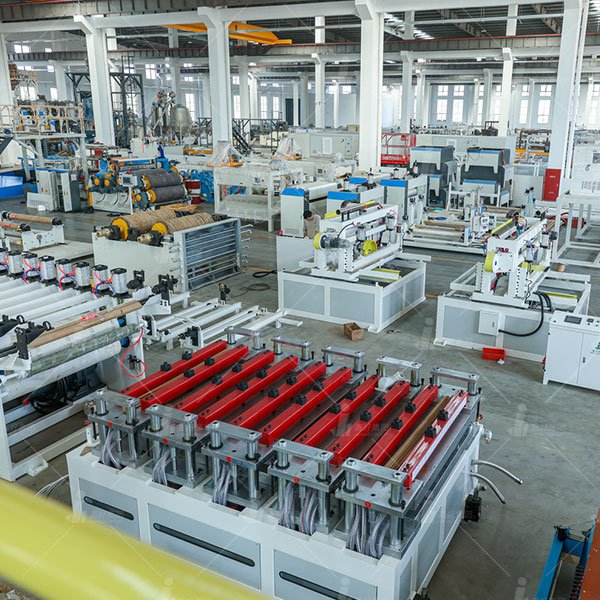
Observe the line from designated safe positions
Use the installed controls and approved inspection points to record alarms, unusual noise, visible leakage and changes in sheet travel. Compare conditions with the line’s established baseline and the current approved production recipe. A single unfamiliar sound or reading needs context, including the product being made and when the change first appeared.
Check that walkways and access areas remain clear, and report damaged guards or cables visible from outside the equipment. Stop and escalate if a protective function fails, material handling becomes unsafe or there is an unexpected mechanical disturbance. Do not approach a hazardous area to obtain a closer view while the line is operating.
Keep cleaning and lubrication within the approved scope
Cleaning methods depend on the surface and contamination involved. Follow the manufacturer’s approved materials and procedure; a solvent suitable for one component may damage another. Do not apply unapproved oil, acid or cleaning chemicals to rollers, belts or processing surfaces.
Hands-on service requires authorized personnel, hazardous-energy isolation and verification under the machine-specific procedure. The OSHA tutorial describes the isolation principle. Routine operators should not reach into rollers, clean moving screws or remove guards to complete a shift checklist. Lubricant grade, service location and interval belong in the equipment maintenance schedule.
Use product checks to support maintenance decisions
Record sheet thickness, visual surface condition, film registration and cutting consistency at the agreed sampling points. A repeating mark can help locate a potential equipment issue, but contamination, raw materials and process variation can produce similar symptoms. Preserve representative samples and note the machine section and time associated with the defect.
Maintenance records should link observations to actions. Note who assessed the issue, whether production was stopped, what service was authorized and the results afterward. This makes a shift handover useful and avoids repeatedly treating the same symptom without checking its cause.
Escalate work that needs a planned shutdown
Persistent vibration, recurring temperature-control faults, drive damage or repeat cutting defects need a structured service review. Qualified personnel should decide whether a planned shutdown is sufficient or immediate withdrawal from operation is required. For deeper inspections, use a separate shutdown plan rather than adding internal repair tasks to the daily operator list. The maintenance schedule should reflect the installed LVT line, operating history and manufacturer guidance.
Related technical reading
For an equipment review, send your product specification and production requirements to Jiahao.