
Jiahao News
Wood-Composite Extrusion: Coordinate Formulation, Tooling and Operation
Review wood-composite extrusion as a combined formulation, tooling and operating project, with material preparation and product changes evaluated before purchase.
Wood-composite extrusion requires the material, equipment and operating method to fit together. A successful product cannot be attributed solely to the machine or solely to the formulation. Define the intended composite and geometry, then review preparation, extrusion, tooling and downstream control as one route. This gives both the buyer and supplier a concrete basis for diagnosing trial results and refining the proposal.
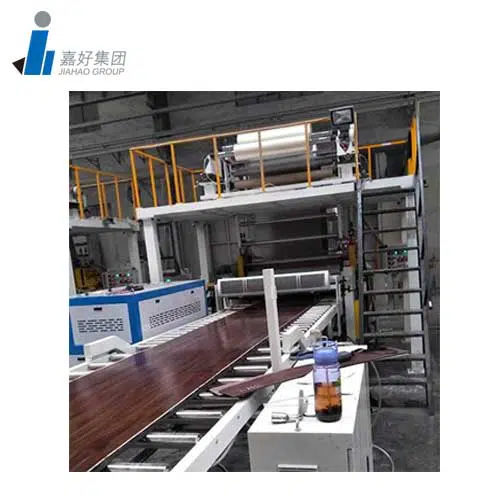
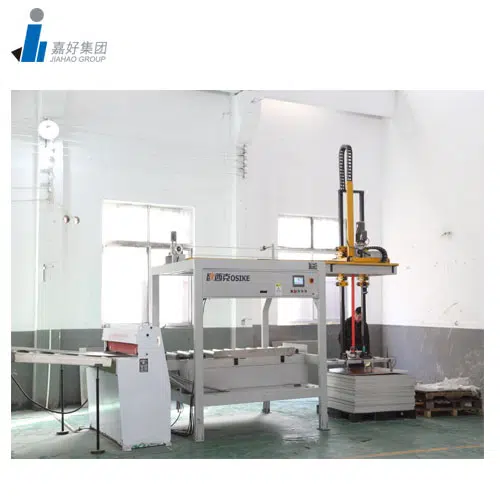
Set a consistent material definition
Specify the polymer family and natural-fiber component for a genuinely wood-filled project. Keep this separate from indoor WPC rigid-core flooring, which RFCI describes as expanded polymer core. Identify whether the target is a PVC-based board or a PE-based outdoor profile. Material preparation and product claims should follow the selected category rather than a mixed set of instructions taken from unrelated WPC applications.
Evaluate the preparation interface
Ask how the proposed feedstock reaches a condition suitable for feeding and extrusion. Discuss consistency, moisture management, mixing or compounding, and the role of any separate preparation equipment. Record the preparation conditions used for trial material. Without that information, a change in the final profile could be wrongly attributed to the extruder when the incoming blend has also changed. Confirm which preparation responsibilities belong to the supplier and which remain with the factory.
Connect tooling with downstream operation
Review the screw and die proposal alongside shaping, cooling, haul-off and cutting for the target geometry. Ask the supplier to explain which product changes the arrangement can accommodate and what else must change with a new mold. A different profile may require a new setup or downstream adjustment, not simply a tooling exchange. Evaluate these transitions using the planned product range instead of accepting unrestricted flexibility as a general equipment advantage.
Preserve evidence from the trial
Record the material identity, setup, changes and sample inspection results from the agreed run. Distinguish an observed result from a proposed improvement that still needs verification. Use accepted sample checks for dimensions, surface and relevant fabrication requirements so the process team has a shared reference. Send Jiahao the intended product range and material information to discuss compatibility. The aim is a repeatable route supported by documented conditions, with unresolved formulation or tooling questions made visible before the equipment decision.
Related technical reading
For an equipment review, send your product specification and production requirements to Jiahao.