
Jiahao News
LVT Extrusion Line Deep Maintenance: Planned Shutdown Review
Plan deeper LVT extrusion line maintenance with component condition reviews, qualified service work, documented isolation and controlled return to production.
Deep maintenance of an LVT extrusion line is a planned shutdown activity for inspecting wear, servicing installed components and documenting readiness to restart. It differs from routine shift checks because it may require access inside guarded assemblies, specialist measurements or part replacement. The maintenance plan should follow the manuals for the actual extruder and downstream equipment.
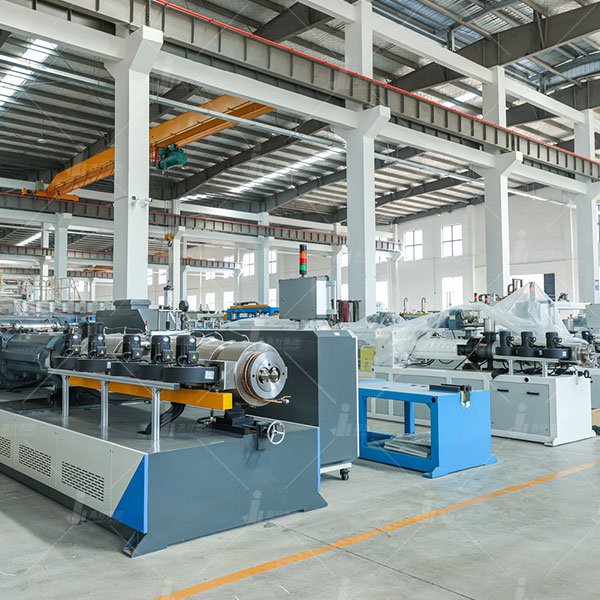
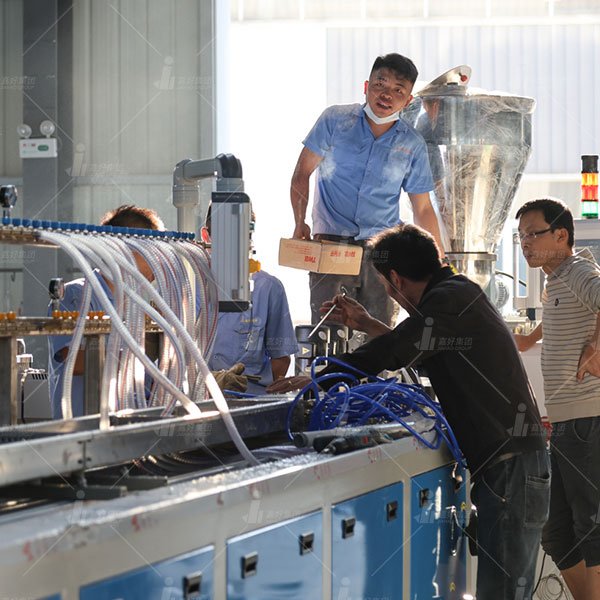
Prepare the shutdown scope and service records
Use the line’s operating history to decide what needs attention. Gather fault messages, temperature trends, recurring product defects, previous service reports and parts records. A recurring roller mark or drive alarm is a reason to investigate that section, not proof that a particular bearing or belt must be replaced.
Before servicing, authorized personnel must isolate hazardous energy and verify the equipment is safe under its documented procedure. The OSHA isolation tutorial explains the general principle. Component access, tools, lifting provisions and replacement specifications must come from the equipment manufacturer and the site’s maintenance arrangements.
Review drives, rollers and cutting assemblies
Qualified technicians can compare belt, chain, coupling, gearbox and bearing condition with the manufacturer’s limits. Record the evidence behind each decision: visible damage, measured condition, repeat alarms or a change from the established baseline. Do not replace parts solely because a generic checklist mentions them.
Roll surfaces, mounting condition and alignment deserve attention when sheet marking or thickness variation persists. Cutting and slitting assemblies need their own service criteria for tool condition, secure mounting and dimensional performance. Which assemblies exist depends on the line; a sheet cutter and an offline flooring profiler are different maintenance responsibilities.
Assess temperature control and installed utility systems
Review heating zones, sensor performance and cooling circuits against the specified process and equipment documentation. An indicated temperature may differ from the true process condition if a sensor or control component has failed. Electrical diagnosis and component replacement require appropriately qualified personnel.
Where pneumatic or hydraulic systems are installed, review their condition, service records and manufacturer-approved fluids and filters. Do not assume every LVT line has the same oil system or replacement interval. Investigate leaks and deteriorated hoses through the relevant service procedure before returning the affected section to use.
Document a controlled return to production
The restart record should identify completed work, fitted parts, unresolved restrictions and who approved the equipment for operation. Restore and inspect the required guards and protective functions through the site’s approved restart process. Trial material should remain identifiable until checks confirm acceptable thickness, surface condition, bonding and cutting. Keep the measurements with the maintenance report so the next shutdown can compare the same evidence.
Related technical reading
For an equipment review, send your product specification and production requirements to Jiahao.